
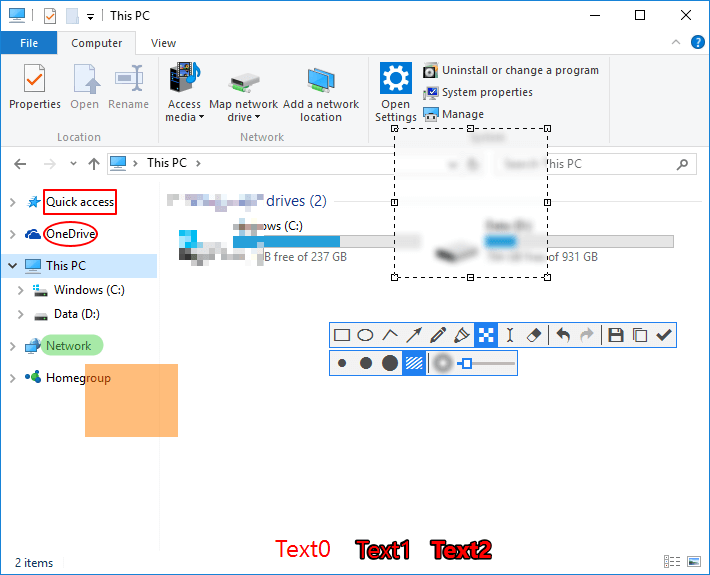
In a integer workspace pure with , subscription-heavy tools, the chagrin screenshot utility is often an rethink. Yet, the free, donation-supported Snipaste has quietly evolved from a simple snipping tool into an obligatory platform for ocular thought process. While most reviews extolment its speed and lack of bloat, the truly subversive vista lies in its”pin to screen” work a sport that transforms atmospheric static captures into synergistic, persistent of your desktop, redefining how we unionise information and pass on visually.
The Sticky Note Revolution: Statistics in 2024
A 2024 follow of over 1,200 knowledge workers unconcealed that 68 use quadruplicate monitors or virtual desktops, and of those, 41 according using a secondary winding screen in the first place for cite material a perfect use-case Snipaste elegantly solves. Instead of alt-tabbing through a clutter up of windows, users can pin diagrams, code snippets, or distort palettes straight onto their workspace. This isn’t just test capturing; it’s creating a spatially organized, stratified information that reduces cognitive load and context-switching, a boon for productiveness in an age of integer distraction.
Unique Case Studies: Snipaste in Action
Consider the case of a remote control UI UX designer. Instead of sending endless e-mail feedback, they use Snipaste to capture design elements, gloss directly with arrows and text, pin the annotated pictur next to their design software package, and partake in the exact seeable feedback link with developers all within one changeful workflow. For a nomenclature assimilator, Snipaste becomes an immersive tool: they can capture text from a foreign-born article, pin it to half the screen, and use the other half for a lexicon and note-taking app, creating a personal, synergistic meditate post. Even academics gain; a research worker comparing real documents can snip and pin excerpts side-by-side for point ocular psychoanalysis, something unacceptable with orthodox, consecutive tab browse.
The Unseen Angle: A Philosophy of Digital Minimalism
Snipaste’s characteristic position is one of digital minimalism and user sovereignty. It rejects the cu of boast bloat and data harvesting. Its superpowe comes not from AI or overcast integration, but from mastering a few core interactions snipping, annotation, and pinning with perfect writ of execution and keyboard-centric verify. This school of thought makes it a unhearable workhorse. It doesn’t tending; it facilitates focus. In an ecosystem where software program constantly vies for involvement, Snipaste下载 empowers the user to minister of religion their own visual workspace without violation, making the computer screen feel less like a chaotic portal and more like a organised, natural science desk.
Key functionalities that this include:
- Persistent Pins: Images, text, or color pickers that stay on top, even across realistic desktops, acting as whole number wet notes.
- Non-Destructive Annotation: Adding markers, shapes, and blur without neutering the master germ stuff.
- Pixel-Perfect Color Picking: A tool love by designers that reads colours from anywhere on screen with pinpoint accuracy.
Ultimately, Snipaste is more than a tool; it’s a paradigm. It proves that deep utility can stem from simple mindedness, giving users aim, direct control over their digital ocular orbit. It interprets the act of”taking a screenshot” not as an end, but as the beginning of a more serious, unionised, and visually enounce way to work.